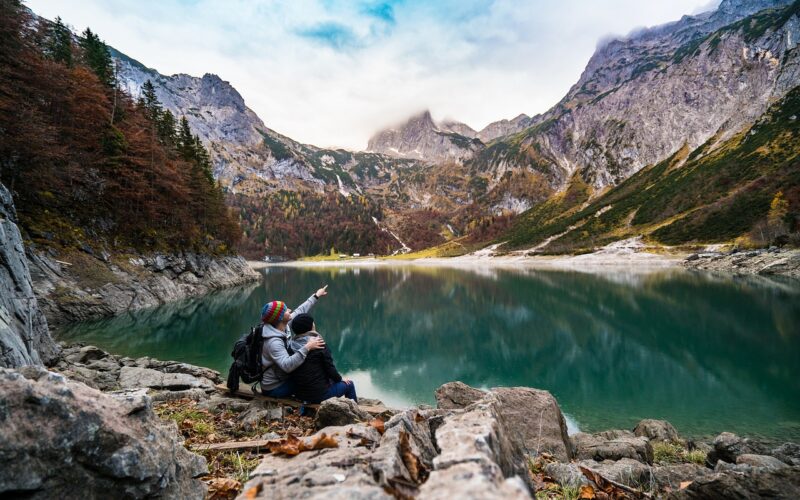
Gyms are convenient, but they're not for everyone. Between the queues for equipment, the recycled air, and the monthly membership fees, it's easy to lose motivation before you've broken a sweat. For couples, families, or groups of friends looking to build healthier habits together, nature offers something far more compelling: fresh air, changing scenery, and a shared experience that goes well beyond a workout.
The science behind exercising outdoors
Research consistently shows that exercising in natural environments delivers greater psychological benefits than indoor exercise. Time spent outdoors reduces cortisol levels, lowers blood pressure, and improves overall mood — effects that are amplified when you exercise with others. Whether you're walking a coastal trail or cycling through a forest, the combination of movement, nature, and companionship creates a powerful boost to both physical and mental wellbeing.
Start simple
You don't need specialist equipment or a high fitness level to get started. Walking is one of the most accessible and effective forms of exercise available, and doing it in nature makes it genuinely enjoyable. For those ready to take things further, hiking adds elevation, varied terrain, and a sense of adventure. Start with shorter, well-marked trails and gradually build your distance and difficulty. The key is consistency — even a 30-minute walk three times a week delivers meaningful health benefits over time.
Cycling, swimming, and other outdoor activities
Once you've built a base level of fitness, a wide range of outdoor activities opens up. Cycling together is a fantastic way to explore new areas while building cardiovascular endurance. Open-water swimming, paddleboarding, and kayaking are excellent for upper body strength and balance. Team-based activities like outdoor bootcamps or park yoga classes bring a social dimension that helps everyone stay accountable. The variety also keeps things interesting — you're far less likely to fall into a rut when every session feels different.
Making it a habit, not a chore
The hardest part of any fitness routine is sticking to it. Exercising with others solves much of that problem. Shared commitment creates natural accountability — if someone is counting on you to show up, you're more likely to lace up your trainers even on grey mornings. Schedule outdoor activities in advance, treat them like appointments, and celebrate small milestones along the way. A post-hike coffee or a picnic after a long cycle ride can become part of the ritual, making the whole experience something to look forward to rather than push through.
Seasonal fitness
One of the genuine advantages of outdoor fitness is learning to move through the seasons. Spring and summer make it easy to get outside, but autumn and winter offer their own rewards — crisp air, quiet trails, and the satisfaction of training when conditions are tougher. Invest in a few key pieces of weather-appropriate kit: a waterproof jacket, moisture-wicking layers, and good footwear go a long way. Adjusting your activity to suit the season — snowshoeing in winter, wild swimming in summer — keeps your routine fresh all year round.
Getting started
If you're new to outdoor fitness, a gradual approach works best. Begin with activities that match your current fitness level, focus on enjoying the experience rather than hitting performance targets, and build intensity progressively. Apps like AllTrails or Komoot are useful for finding routes suited to your ability. Most importantly, go with people whose company you genuinely enjoy. Fitness built around shared experiences in nature tends to last — not because it's easy, but because it becomes a meaningful part of life rather than just another item on the to-do list.